Relativity and Quantum Simulation Development Platform

Your research.
Your simulation.
Your way forward.

A research workbench that helps you develop scientific workflows, understand results through ISAES, and build a simulation environment of your own—with an optional AI Research Assistant.

For academic research & corporate R&D

PF / NUMERICAL RELATIVITYr34
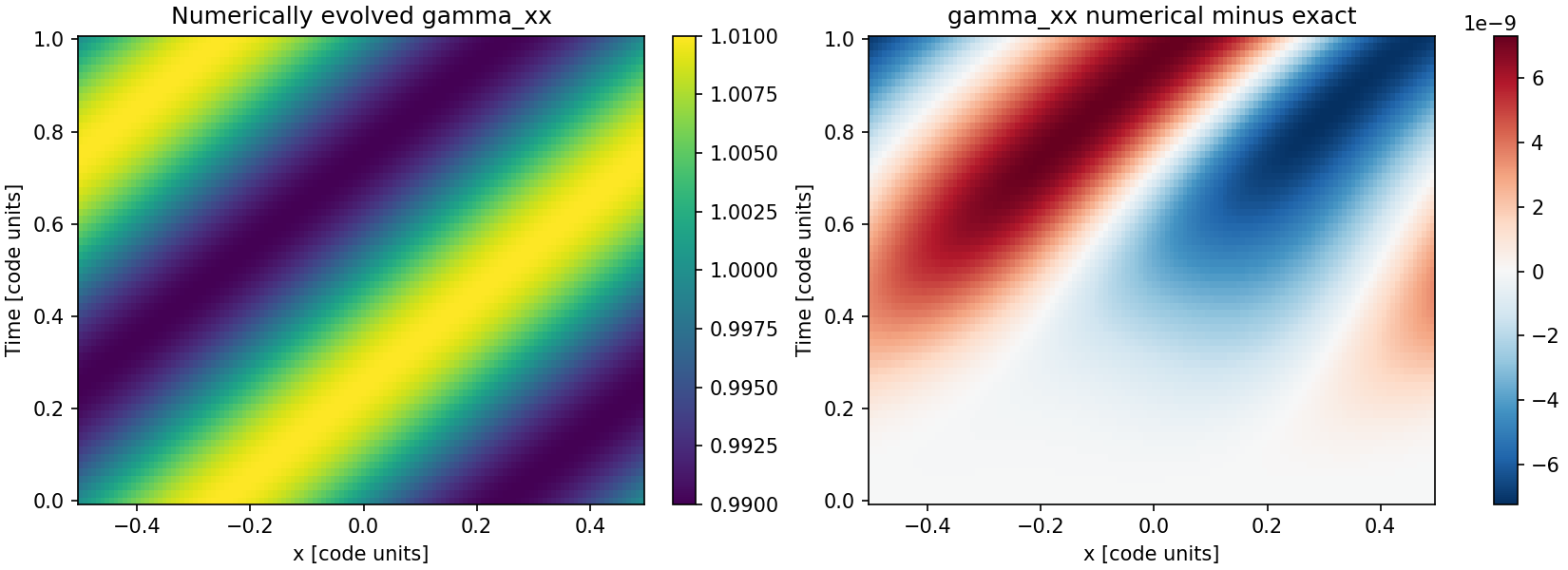
Spatial metric surface evolved by the PF portable BSSN gauge-wave solver
FROM AN ACTUAL SIMULATIONWhere spacetime meets the quantum link.Portable vacuum BSSN · Gauge-wave benchmark

01 / Your AI Research Assistant

From a research question
to a working enhancement.

Use natural language as the liaison between your scientific intent and the code. PF brings the conversation into your simulation workflow—with evidence you can inspect and changes you control.

Inside the research workbench5:42

r34 SaaS walkthrough · Narrated · English captions

A walkthrough of the research workflow with scripted AI replies and real numerical execution. Storage setup is shown.

Jump to a chapter
A QUESTION WORTH EXPLORING
“Trace the receiver-mode assumptions behind this result. Help me test a different model in my own simulation stack.”

An illustrative research prompt

Saved arraysSolver sourcePlots & logsYour references
Explore the assistant guide
  1. 01

    Inspect the evidence

    Ask about a completed run. Examine its inputs, numerical arrays, plots, logs and permitted scientific source.

  2. 02

    Propose your enhancement

    Develop a private Python layer with an explanation and a code diff you can review.

  3. 03

    Validate the candidate

    Execute baseline and candidate stacks, then inspect numerical comparisons and reference checks.

  4. 04

    Activate. Run. Refine.

    Explicitly activate a passing layer and use your ordered stack in new simulations.

02 / Your proprietary subsystem

A shared foundation.
A stack that is yours.

Go beyond a fixed configuration. Compose modular enhancements that override permitted scientific Python implementations for your research, while the shared installation remains intact.

YOUR PRIVATE RESEARCH SCOPE
Shared PF scientific coreVersioned source · reference checks · scientific integrations

Illustrative stack organization · Select a layer to explore

MODULAR BY DESIGN

Your model layer

Propose and test a different scientific implementation, such as a receiver-mode assumption. Private source overlays can change permitted equations and behavior as well as numerical settings.

  • Inspect the baseline implementation
  • Compare baseline and candidate numerically
  • Activate only after explicit review
How private layers work
Reviewable diffsNumerical validationExplicit activationTraceable run identity

Intelligent Scientific Analysis and Evidence System

Behind every report,
a trail of evidence.

ISAES connects retained results to eligible scientific methods, explicit checks, linked figures and consistent presentations. Much of it runs under the hood: preserving data meaning, checking prerequisites, tracing findings and keeping scientific support separate from a successful export.

The science and evidence beneath the report26:00

Intelligent Scientific Analysis and Evidence System · Narrated · English captions

A narrated explanation and walkthrough of retained scientific results, method eligibility, evidence, linked views, presentation exports and researcher controls. Actual workbench captures and recorded local calculations are identified separately from explanatory diagrams and scripted assistant replies. External qualification boundaries remain explicit.

Jump to a chapter

Methods with prerequisites

Uncertainty, comparisons, classical learning and bounded quantum evidence use declared meaning and assumptions.

Evidence you can inspect

Follow exact retained values through the method, finding, linked visualization and exported presentation.

AI-independent reporting

Generate and explore reports without an AI provider. Optional report discussion uses explicit review; autonomous investigations use a separate standing policy with selected permissions and budgets.

Reusable private workflows

Your scientific program.
A workflow of your own.

Bring a Python program, or use the workflow assistant to build one from an explicit mathematical specification. Review the code, prepare reusable GUI controls, validate the calculations and explicitly activate the workflow. Return to the saved form, change settings and retain each version’s results.

From a research question to Python and a reusable workflow26:32

Private workflows: GUI and server walkthrough · Narrated · English captions

Learn why the Python program is needed, how its model and outputs are built, and how to author it with the workflow assistant or the development guide. Then follow the custom Qiskit study through validation, reusable controls, private versions and results, with B2/B3 server checks. Real calculations use the designated developer executor; AI replies are scripted. Production container isolation is outside this recording’s scope.

Jump to a chapter

API-agnostic Python adapters support compatible installed libraries. Project permissions, AI disclosure policy and the isolated runtime apply to the workflow lifecycle.

03 / Research under your control

Your AI account.
Your storage choices.

Build a research environment around your institution’s requirements. Restricted projects, institutional AI policy, private layers, BYOK and optional BYOS give you controls over access, disclosure and retained evidence.

BRING YOUR OWN KEY

The model you choose.
The account you control.

Connect your own credentials for OpenAI, compatible endpoints, DeepSeek, Google Gemini or Anthropic / Claude. Keep provider billing on your own account, within your organization’s and project’s approved AI policy.

OpenAI DeepSeek Gemini Claude
Explore BYOK
BRING YOUR OWN STORAGE

Keep bulk research data
on your infrastructure.

Connect an S3-compatible destination or an outbound NAS / folder connector. Retain large inputs, results and evidence in the location your research requires.

S3-compatible NAS connector Managed storage
Explore BYOS

PF retains authorization, conversations, layer records and trusted hashes. Selected evidence goes to your configured AI provider only when effective policy and any required consent allow it. Understand the data boundaries

A connected research workbench

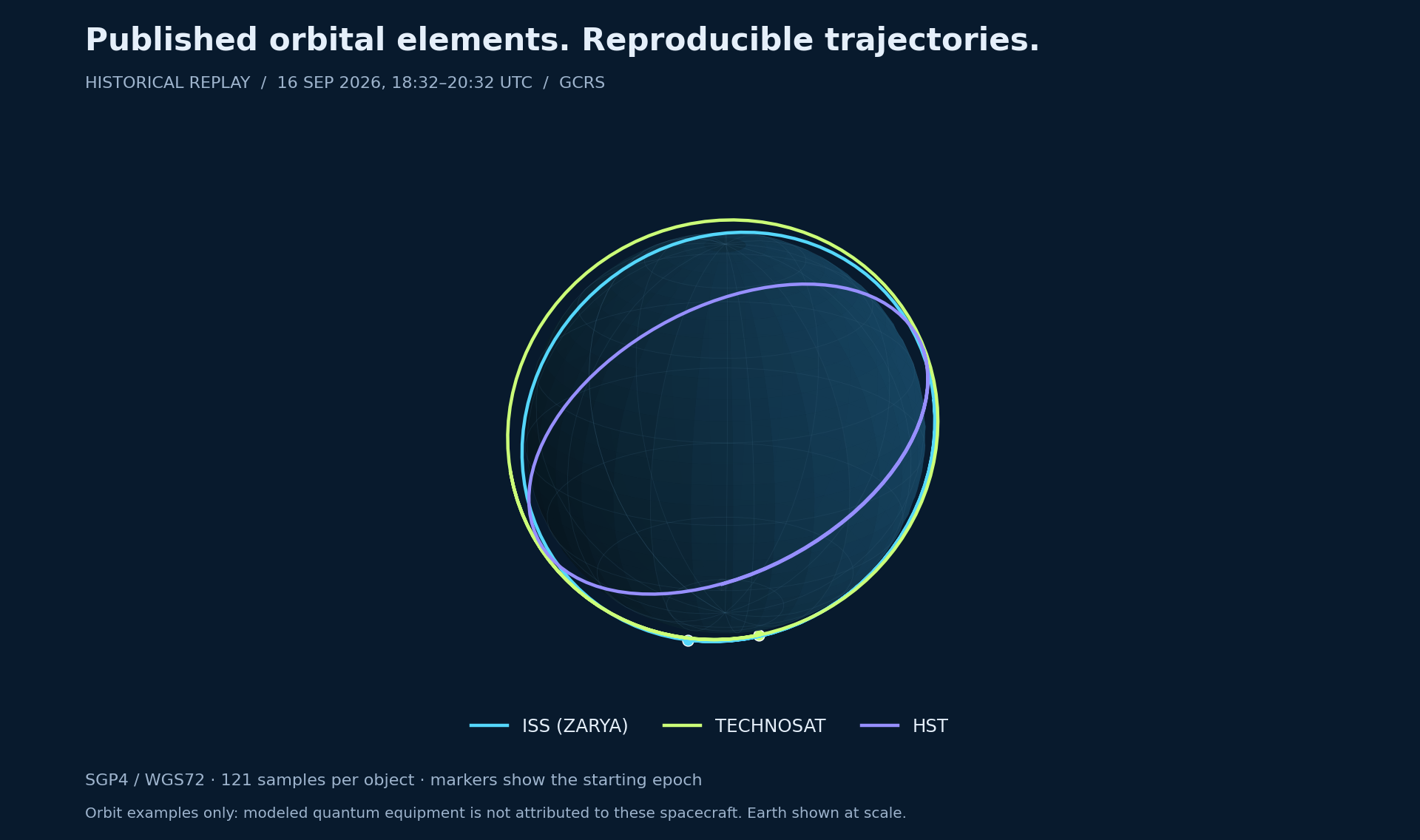
From moving orbits
to quantum-state detail.

Connect specialist models to a research question. Keep each study’s inputs, assumptions and numerical evidence visible as you develop your own private workflow.

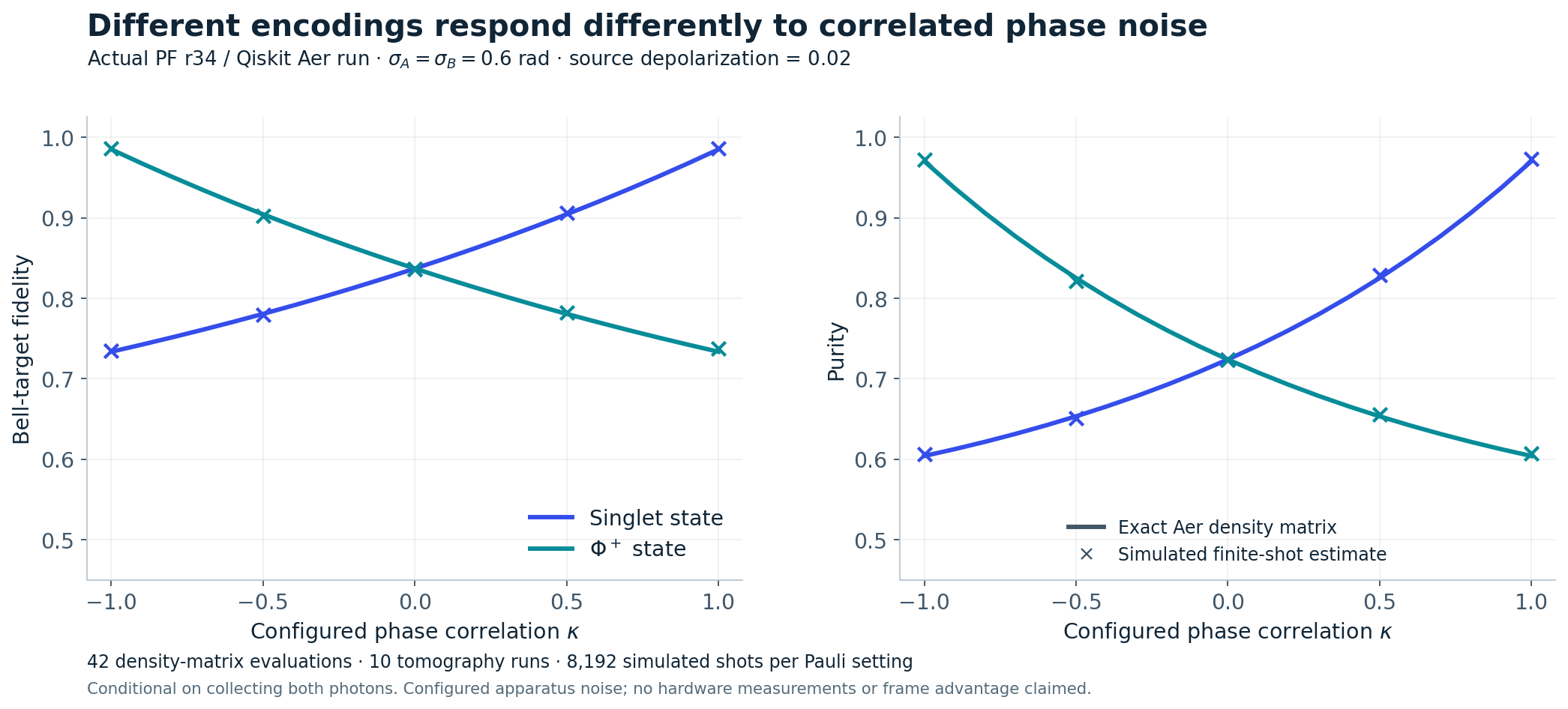
Satellite tracking uses periodically refreshed orbit predictions. Gallery examples are recorded numerical studies, with their configurations and interpretation available.

05 / An inspectable scientific foundation

Published foundations.
Private possibilities.

Connect curated scientific references, explicit numerical checks and optional scientific integrations. PF Simulation r34 provides direct CLI source and input provenance, a complete Linux hosting reference, restricted projects and institutional AI disclosure controls.

Explore deployment and research controls
CUMULATIVE RECORDED VALIDATION
8,657distinct passing Python parent-test identities across retained releases
64,845recorded parent test executions
6,823audited benchmark and verification checks

Repeated test identities count once in the headline. The numerical ledger covers 46 declared studies. Subtests, benchmark assertions and interface checks keep their own units.

The latest Assistant consolidation passed 305 targeted Python tests and 232 UI fixture cases across 14 commands. It brings the approved recovery, saved-conversation loading and opening fixes into the shared standalone/SaaS release. Subtests and assertion checks remain separate; no simulation-result cache is introduced. The autonomous release and upload maintenance are included in the reconciled ledger. Full regression, scientific and performance evidence remains bound to the source on which it ran.

Explore the totals, highlights and counting method

Built for the next question

As your research evolves,
PF Simulation evolves alongside it.

Find your starting point